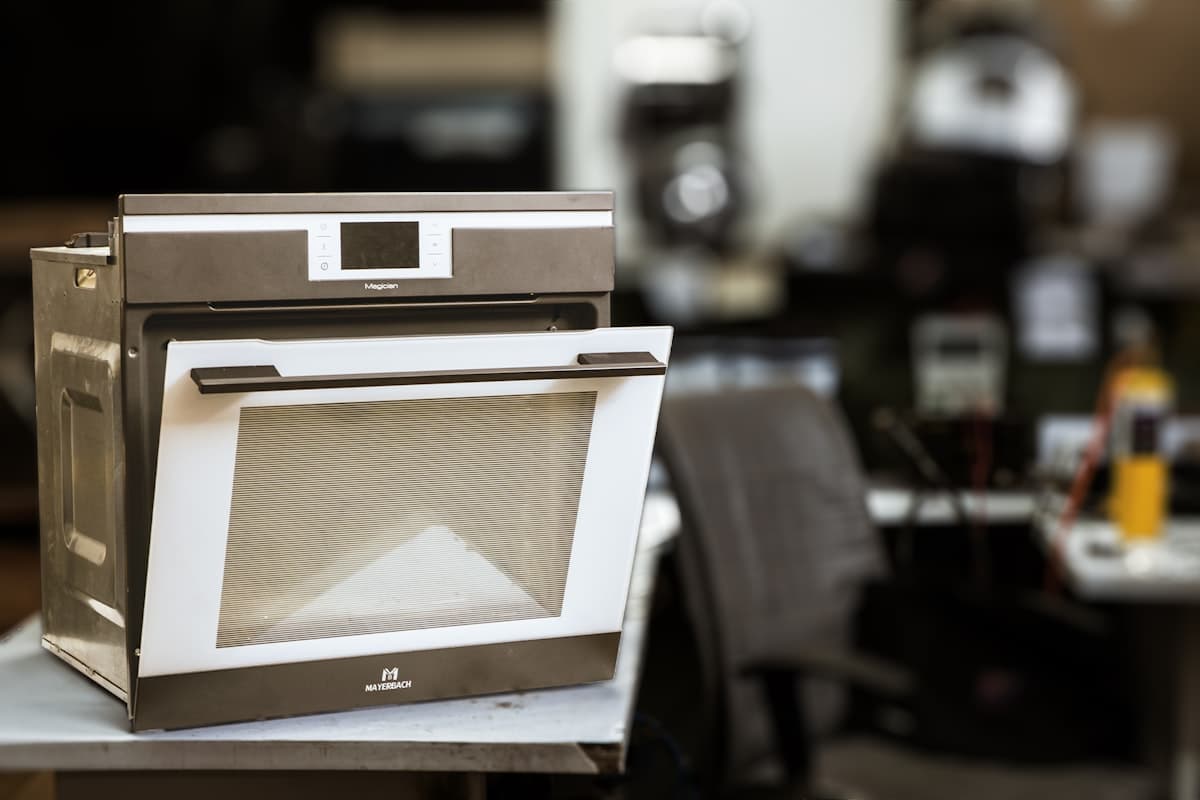
Thanksgiving Oven Prep: Avoid Holiday Disasters
Thanksgiving is the biggest cooking day of the year. The last thing you need is to discover your oven is not working when you have a 20-pound turkey to cook and a house full of hungry guests. Every year, appliance repair companies are flooded with emergency calls the week of Thanksgiving from homeowners who assumed their oven was fine — until it was not.
Do not be one of those homeowners. Follow this guide to test, prep, and troubleshoot your oven well before the big day.
When to Start Oven Prep
Do not wait until the day before Thanksgiving. Start 2–3 weeks before to give yourself time to:
- Test the oven thoroughly
- Deep clean if needed
- Order parts if something is wrong
- Schedule a professional repair if necessary
Appliance repair companies book up fast in November. If you discover a problem early, you have a much better chance of getting a same-day or next-day appointment.
Step 1: Test Your Oven's Performance
Temperature Accuracy Test
The most common oven problem on Thanksgiving is inaccurate temperature — the oven heats, but not to the right temperature, resulting in an undercooked or overcooked turkey.
- Place an oven thermometer on the center rack
- Set the oven to 350°F and wait 20 minutes
- Check the thermometer reading
- Acceptable range: 325–375°F (within 25°F)
- If off by more than 25°F, the thermostat or temperature sensor needs calibration or replacement
Preheat Time Test
A properly functioning oven should reach 350°F in 10–15 minutes (gas) or 15–20 minutes (electric).
- Time how long it takes to preheat to 350°F
- If it takes more than 25 minutes, there may be an issue with the igniter (gas), heating element (electric), or thermostat
Heat Distribution Test
Uneven heating is a recipe for disaster with a large turkey.
- Place slices of white bread across the center rack
- Bake at 350°F for 5–7 minutes
- Check the toast pattern — even browning indicates even heat distribution
- Uneven browning suggests a failing heating element, convection fan issue, or air circulation problem
Gas Oven Specific Tests
- Ignition: Turn the oven on and verify the igniter glows and the gas burner ignites within 60–90 seconds. If the igniter glows but the gas does not light, the igniter is weak and needs replacement.
- Flame color: A healthy gas flame is mostly blue with small yellow tips. A mostly yellow flame indicates a combustion problem.
- Gas smell: A brief gas odor when the oven first lights is normal. A persistent gas smell is not — turn off the oven and call for service immediately.
Electric Oven Specific Tests
- Bake element: Turn the oven to 350°F and observe the bake element (bottom). It should glow a steady, even red after a few minutes. Bright spots, dark spots, or blistering indicate the element is failing.
- Broil element: Switch to broil and check the top element the same way.
- Both elements: If neither element glows, the issue may be the control board, thermal fuse, or power supply.
Step 2: Deep Clean Your Oven
A clean oven performs better and is less likely to produce smoke or off-flavors that could affect your turkey.
If You Have a Self-Cleaning Oven
Use the self-clean cycle at least one week before Thanksgiving, not the day before. The self-clean cycle reaches extreme temperatures (up to 900°F) that can sometimes damage door gaskets, latches, or control boards. If something goes wrong, you want time to schedule a repair.
- Remove all racks and accessories before running self-clean
- Open a window or run the range hood exhaust fan
- Do not use the oven until it has fully cooled and the door unlocks
- After the cycle, wipe out the ash residue with a damp cloth
Manual Cleaning Method
If you prefer not to use the self-clean cycle (or your oven does not have one):
- Make a paste of baking soda and water (1/2 cup baking soda + enough water to form a spreadable paste)
- Remove the racks and apply the paste to the interior surfaces, avoiding heating elements
- Let it sit for 12 hours or overnight
- Wipe clean with a damp cloth
- For stubborn spots, spray with white vinegar and wipe
- Clean oven racks separately by soaking in hot, soapy water
Clean the Oven Window
A clean window lets you check on the turkey without opening the door, which drops the oven temperature by 25–50°F each time.
- Clean the inside of the window with baking soda paste
- For between-the-glass cleaning, check your owner's manual — some ovens allow you to remove the door or inner glass panel
Step 3: Prepare for the Big Cook
Organize Your Cooking Schedule
Thanksgiving requires precise oven management. Plan your schedule around oven capacity:
- Turkey cooking time: Plan 13–15 minutes per pound at 325°F (unstuffed) or 15–17 minutes per pound (stuffed)
- Resting time: The turkey needs 20–30 minutes to rest after cooking, freeing the oven for side dishes
- Side dishes: Prioritize oven sides during the resting period: casseroles, rolls, and pies
Check Your Oven Racks
A large turkey requires the rack in the lowest position with plenty of clearance above.
- Remove unnecessary racks
- Clean and inspect the rack glides — they should slide smoothly
- Make sure the rack is level
Test Your Roasting Pan
Before Thanksgiving morning, verify that your roasting pan fits in the oven with the door closed. A pan that is too large is a surprisingly common problem.
Stock Up on Supplies
- Oven thermometer (essential)
- Meat thermometer (non-negotiable for food safety)
- Aluminum foil for tenting
- Oven-safe roasting pan and rack
- Oven mitts rated for high temperature
Step 4: Common Thanksgiving Oven Problems and Fixes
Here is how to handle the most common issues:
Oven Not Heating At All
Gas oven:
- Check that the gas supply is on
- Verify the oven igniter is glowing
- If the igniter glows but gas does not light: weak igniter (needs replacement)
- If nothing happens: check the power supply (gas ovens need electricity for the igniter and controls)
Electric oven:
- Check the circuit breaker (electric ovens use a 240V double breaker that can partially trip)
- Verify the bake element glows red
- If neither element works: possible control board, thermal fuse, or wiring issue
Oven Not Reaching Temperature
- Check with an oven thermometer (the display may be inaccurate)
- A weak gas igniter takes longer to open the gas valve, resulting in less gas and lower temperatures
- A failing heating element may glow but not produce full heat
- A faulty temperature sensor sends incorrect readings to the control board
Oven Overheating
- The thermostat or temperature sensor is faulty
- Turn off the oven immediately if it significantly exceeds the set temperature
- This is a safety concern and requires professional repair
Oven Door Will Not Close Properly
- Inspect the hinges for damage or misalignment
- Check for debris in the hinge area
- A warped door (often from slamming) may not seal correctly
- A broken door spring can prevent proper closure
Smoke or Burning Smell
- Most commonly caused by food debris or grease on the oven floor or element
- Clean the oven thoroughly (see Step 2)
- New ovens may produce a chemical smell during the first few uses — this is normal
- If smoke comes from behind the oven, turn it off and call a professional
Emergency Backup Plans
Even with preparation, things can go wrong. Have backup plans ready:
- If the oven fails completely: A turkey can be deep-fried (outdoor fryer), grilled, or smoked. Many supermarkets sell fully cooked turkeys as late as Thanksgiving morning.
- If the oven temperature is uneven: Use an oven thermometer and adjust the set temperature to compensate. Rotate the turkey halfway through cooking.
- If the oven is too slow: Consider spatchcocking (butterflying) the turkey, which reduces cooking time by about 30%.
- If all else fails: Many restaurants offer Thanksgiving dinner takeout or delivery. Check availability and pre-order as a safety net.
Frequently Asked Questions
When should I test my oven before Thanksgiving? At least 2–3 weeks before. This gives you time to identify problems and schedule a repair. Do not wait until the week of Thanksgiving.
My oven temperature is off by 15°F — is that a problem for a turkey? A 15°F variance is within acceptable range for most cooking, but it could affect a large turkey over many hours. Use a meat thermometer (turkey is safe at 165°F internal temperature) rather than relying solely on time and oven temperature.
Can I cook a turkey at 325°F vs 350°F? Yes. 325°F produces a more evenly cooked, juicier turkey but takes longer. 350°F is faster but requires more attention to avoid drying out the breast meat. Both are standard temperatures.
Should I run the self-clean cycle before Thanksgiving? Yes, but do it at least one week before — never the day or night before. The extreme heat of the self-clean cycle can sometimes cause component failures.
What if my oven breaks on Thanksgiving morning? Call EasyBear for emergency service. Also, consider alternative cooking methods like grilling, deep-frying, or using a slow cooker for the turkey while oven-free side dishes are prepared on the stovetop.
Book a Pre-Thanksgiving Oven Check with EasyBear
Do not risk your Thanksgiving dinner on an untested oven. EasyBear offers pre-holiday oven inspections that include temperature calibration, element testing, igniter evaluation, and a thorough safety check.
Schedule your pre-Thanksgiving oven check now — appointments fill up fast as November approaches. Same-day service available, transparent pricing, and peace of mind that your oven will perform when it matters most. Trust EasyBear to keep your holiday cooking on track.